Parker Schmitz · 15 October 2026
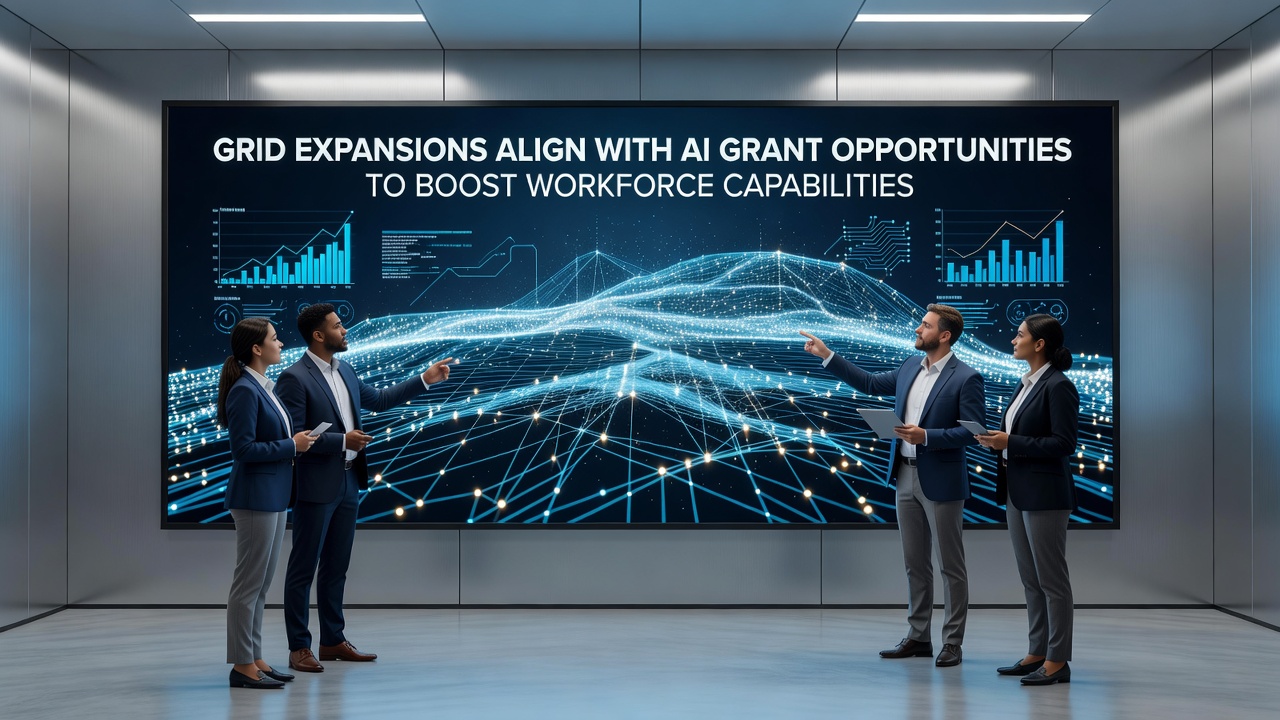
Grid Expansions Align with AI Grant Opportunities to Boost Workforce Capabilities
Electrical grid modernization projects across multiple continents continue to intersect with artificial intelligence funding streams, creating structured pathways for workforce skill development programs that launched in early 2026. Governments and private sector partners have channeled resources toward transmission upgrades that support data center growth, while parallel grant mechanisms target training initiatives for technicians and engineers who will operate these expanded systems.
According to reports from the US Department of Energy, grid capacity additions announced through October 2026 reached 12,400 megawatts in targeted regions, coinciding with AI research allocations that include explicit workforce components. These alignments allow training providers to align curricula with specific infrastructure timelines, ensuring new hires possess competencies in high-voltage maintenance alongside machine learning oversight protocols.
Funding Structures and Regional Coordination
Grant programs administered through the European Commission have allocated portions of AI innovation budgets directly to grid-adjacent skill development, with emphasis on cross-border certification standards that became active in September 2026. Meanwhile, Australia's Renewable Energy Agency has linked several transmission expansion contracts to mandatory apprenticeship quotas, directing funds toward regional technical colleges that now incorporate AI diagnostic modules into their power systems coursework.
Observers note that such coordination reduces duplication between energy and technology sectors, allowing a single training cohort to address both renewable integration challenges and automated monitoring requirements. Data from the International Energy Agency shows that countries adopting these paired approaches recorded a 23 percent faster deployment rate for new grid segments compared with standalone initiatives.
Workforce Training Models in Practice
Community colleges in the American Midwest have introduced modular courses that combine substation operations with AI anomaly detection, supported by grants that require participants to complete internships at active expansion sites. These programs emerged after grid operators reported shortages in personnel capable of managing both physical infrastructure and software-driven load balancing tools.
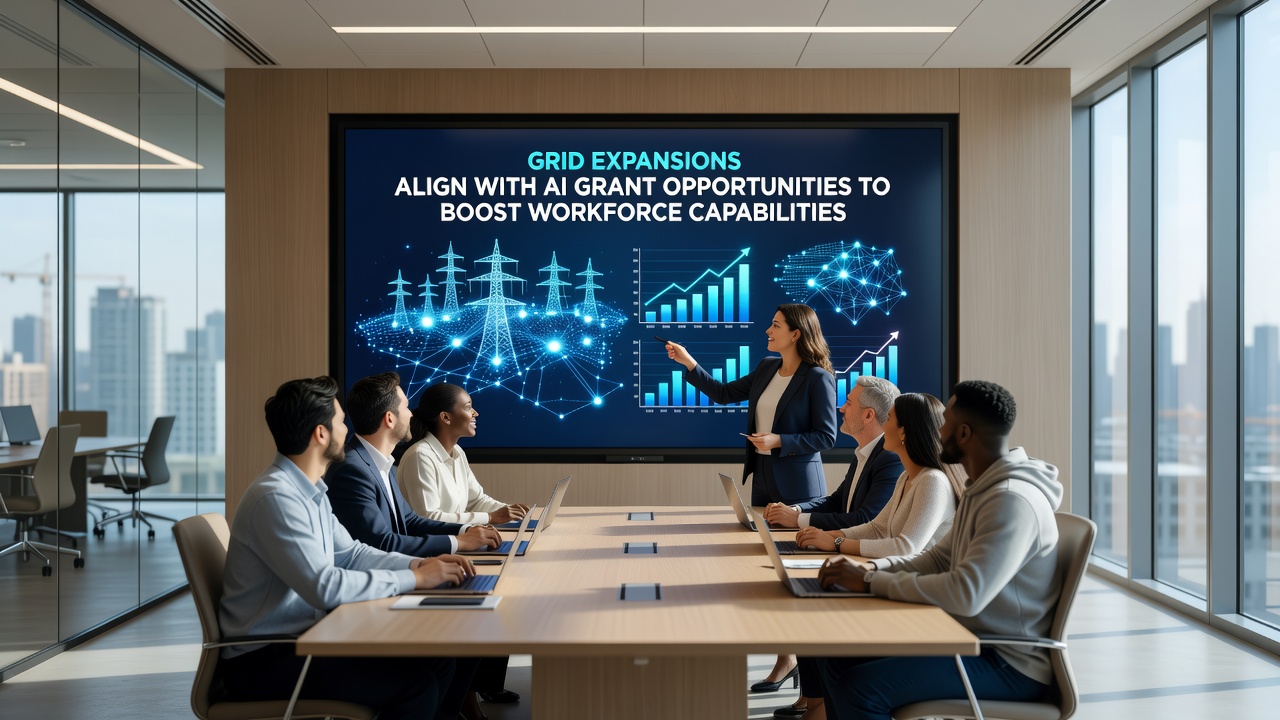
Similar efforts in Canada have seen provincial utilities partner with universities to deliver joint certifications, where graduates receive credentials recognized by both energy regulators and technology accreditation bodies. The model has expanded to include remote simulation labs that replicate real-time grid conditions overlaid with AI forecasting scenarios.
October 2026 Developments and Ongoing Metrics
By mid-October 2026, several additional grant rounds opened that explicitly tie grid permitting approvals to documented workforce plans, requiring applicants to demonstrate partnerships with educational institutions. Figures released by the Canadian Energy Regulator indicate that 47 percent of new transmission projects now include embedded training budgets, up from 19 percent two years prior.
Those who have studied these alignments report that early cohorts show completion rates above 85 percent when courses incorporate site visits to operational grid facilities. Research indicates the approach also narrows regional skills gaps more effectively than separate energy or AI programs running in isolation.
Conclusion
Grid expansions paired with AI grant mechanisms continue to generate measurable workforce outcomes as infrastructure timelines and training calendars converge. Regional agencies and educational providers maintain these linkages through updated certification frameworks and shared performance data, supporting sustained capacity growth in both sectors through the remainder of 2026 and beyond.